Generic selectors
Exact matches only
Search in title
Search in content
Post Type Selectors
guides
products
Filter by Categories
Anti-Snoring Reviews
Bedding
Bedding Information
Bedding Reviews
Best Bed Frames
Best Comforters
Best Mattress
Best Mattress Pads
Best Mattress Protectors
Best Mattress Toppers
Best Pillowcases
Best Pillows
Best Sheets
Interviews
Mattress Accessories
Mattress Comparisons
Mattress Coupons
Mattress Information
Mattress Reviews
Mattress Sales
Mattress Sizes
Mattress Topper Reviews
Pillow Reviews
Sheet Reviews
Sleep
Sleep Environment
Sleep Products
Sleep Tracker Reviews
Uncategorized
Weighted Blanket Reviews
Our editors test & choose the products we write about. When you buy through links on our site, we may earn a commission. Learn More.

The Best Memory Foam Mattresses – 2026 Reviews and Buyer’s Guide

Written by Tuck Staff

Quick Overview

People love memory foam mattresses for their characteristic, pressure-relieving “hug.” These mattresses conform closer to the body than other mattress types, resulting in better spinal alignment and more pressure point relief. It’s no surprise these mattresses are a favorite among those with chronic pain. Memory foam also isolates motion transfer and produces little to no noise when bearing weight. These two qualities make memory foam beds suitable for couples, particularly if one or both of the sleepers awaken easily due to motion or noise.

Whether this is your first time buying a memory foam mattress or your fifth, we share everything you need to know about the distinct feel these mattresses offer sleepers. We review our top picks for the best memory foam mattresses sold today, based on verified customer and owner experiences, as well as intensive product analysis. Then, in our Buyer’s Guide, we give you all the insider information on how to evaluate and find the best memory foam mattress for you.

Best Memory Foam Mattresses
First Time Buying a Mattress?

Hop down to our Buyer’s Guide for a crash course on finding the best memory foam mattress.


Best Memory Foam Mattresses - Reviewed

Best OverallLeesa Original

Best Overall – Leesa Original

Highlights

  • Medium (5)
  • 365-night sleep trial
  • Lifetime warranty
  • Strong motion isolation for couples
  • Broad appeal across sleep positions and body types
25% off Leesa mattresses
Check Price

Best OverallLeesa Original

leesa.com

Shop Now

The Leesa Original earns our Best Overall pick because it does the hard thing well: it pleases a wide range of sleepers without leaning too far in any single direction. Its defining strength is balance — close contouring to relieve pressure, but enough support to keep you from sinking too far. If you want a dependable all-foam bed that works when you shift positions or share the bed, this is a good match for you.

This is an all-foam build through and through. The comfort layer uses a moderately dense contouring foam that hugs the shoulders and hips without the quicksand feel some sleepers dislike, while memory foam adds cushiness to the surface. The higher-density base foam handles support and keeps the surface from bottoming out. 

Motion isolation is a highlight here — the foams absorb movement, so a restless partner won’t wake you. Temperature regulation is respectable for an all-foam bed, though it runs slightly warmer than a coil-driven surface. Combination sleepers and average-weight sleepers of most positions will feel at home.

Beyond the feel, the Leesa Original backs its performance with a 365-night sleep trial and lifetime warranty. Standard shipping is free to all 50 states. Taken together, the balanced build and reassuring policies ensure great long-term value for this mattress. It’s an easy recommendation for a first all-foam bed.

The Bottom Line.

The Leesa Original blends contouring, support, breathability, and motion isolation into an adaptive all-foam design that suits the widest range of sleepers of any pick on this list.

  • Combination sleepers who change positions through the night.
  • Couples who need strong motion isolation.
  • Value-minded buyers who want a balanced, do-it-all feel.

Not Recommended for:

  • Deep-cradle seekers who want to feel enveloped by the mattress.
  • Hot sleepers who prefer the cooler feel of a coil-based bed.

Best ValueBrooklyn Bedding CopperFlex Memory Foam

Best Value – Brooklyn Bedding CopperFlex Memory Foam

Highlights

  • Medium firm (6)
  • 365-night sleep trial
  • Lifetime warranty
  • Copper-infused foam for a cooler surface
  • Budget-friendly price without cutting corners
25% off sitewide
Claim Discount

Best ValueBrooklyn Bedding CopperFlex Memory Foam

brooklynbedding.com

Shop Now

The Brooklyn Bedding CopperFlex is our Best Value pick because it delivers cooling copper-infused foam at a price that undercuts most of its rivals. This is the standard model in the CopperFlex line, positioned below the higher-end Pro version. If you want a breathable sleep surface and reliable cushioning without stretching your budget, the standard CopperFlex makes a strong case for the best memory foam mattress in its price range.

This is an all-foam bed built around a top layer of adaptive polyfoam infused with copper, which conducts heat away from the surface for a cooler night than most untreated foam. The contour is moderate — you’ll feel a gentle cradle at the shoulders and hips, but not the deep, sinking hug of a plusher bed. Motion isolation is dependable, absorbing your and your partner’s movements and preventing them from transferring across the surface. The trade-off is ease of movement, as some people may find they sink too deeply into the CopperFlex when changing sleep positions or getting in and out of bed.

The CopperFlex ships free in a box throughout the contiguous U.S. Your purchase is backed by a 365-night trial and dependable lifetime warranty. For a copper-infused foam bed at this price, the value is hard to beat.

The Bottom Line.

An affordable copper-infused memory foam bed that brings cooling and reliable comfort to budget shoppers without demanding a premium.

  • Budget shoppers who still want quality foam.
  • Back sleepers who want a cooler surface.
  • First-time foam buyers testing the waters with a new mattress type.

Not Recommended for...

  • Those wanting maximum pressure relief — these sleepers are great candidates for the CopperFlex Pro upgrade.
  • Heavier sleepers who need more robust support.

Best for Back PainBear Original

Best for Back Pain – Bear Original

Highlights

  • Firm (7)
  • 365-night sleep trial
  • Lifetime warranty
  • Supportive all-foam build
  • Focused on spinal alignment
35% off sitewide
Claim Discount

Best for Back PainBear Original

bearmattress.com

Shop Now

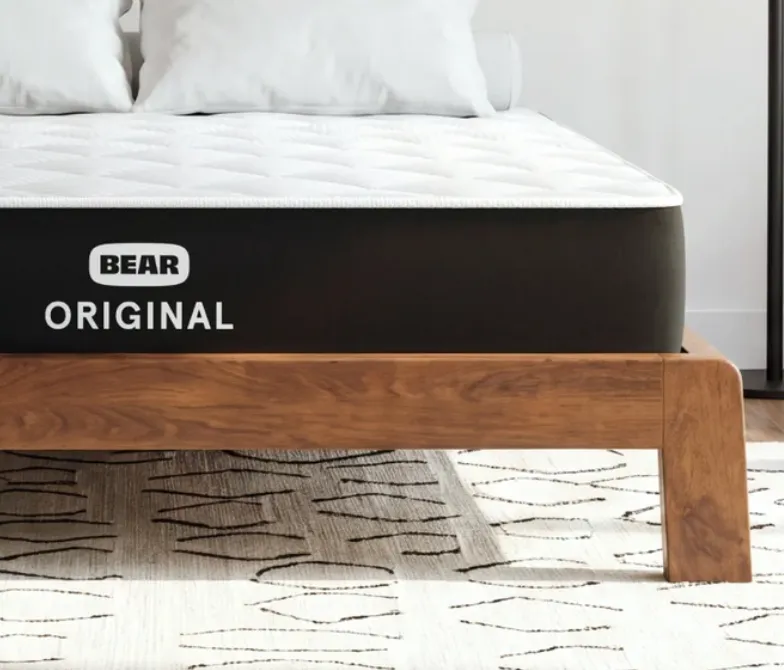
The Bear Original is our Best for Back Pain pick because it prioritizes support where aching backs need it most. Its higher-density foam holds the hips and lumbar region in line rather than letting them drift out of alignment. For anyone who wakes with a stiff lower back, this supportive memory foam mattress is worth a close look. It best suits back and stomach sleepers who want firmness and moderate contouring.

The all-foam construction centers on a higher-density support foam that resists deep sinkage and keeps the spine in a neutral position through the night. Above it, a contouring comfort layer takes the edge off pressure points at the shoulders while the base prevents your hips from sagging — this combination is especially helpful for people with back pain. Sinkage is minimal to keep the spine aligned. Motion isolation is good, dampening movement so shared beds stay calm. Temperature regulation holds up well for an all-foam bed. Back sleepers, stomach sleepers, and those managing back discomfort will feel the most benefit.

The Bear Original ships for free in a box. Your purchase comes with a 365-night sleep trial and limited lifetime warranty. For a foam bed built around alignment, the value is strong. It’s a practical, no-nonsense choice for sleepers whose main concern is back support.

The Bottom Line.

A supportive, medium-firm foam bed engineered to keep the spine aligned — the pick for sleepers who wake up with an aching back.

  • People with back pain who need dependable alignment.
  • Back sleepers who want extra pushback around their lumbar region and hips.
  • Those who prefer a firmer feel over a plush one.

Not Recommended for:

  • Strict side sleepers who need deep shoulder and hip cushioning.
  • Plush mattress seekers who want a soft, enveloping surface.

Best Memory Foam HybridHelix Midnight

Best Memory Foam Hybrid – Helix Midnight

Highlights

  • Medium firm (6)
  • 365-night sleep trial
  • Lifetime warranty
  • Hybrid coil-on-foam construction
  • Zoned support for the midsection
Up to 25% off sitewide
Claim Discount

Best Memory Foam HybridHelix Midnight

helixsleep.com

Shop Now

The Helix Midnight is our Best Memory Foam Hybrid because it pairs the contouring feel foam lovers want with the unparalleled support and bounce of steel coils. It’s the one coil-on-foam pick on this list, and that combination makes it a versatile choice. For people who like how memory foam cradles them but wish it slept cooler and pushed back a little, the Midnight is a good match — especially if they are also dedicated side or combination sleepers.

A memory foam comfort layer delivers the close contour and pressure relief you expect from foam, hugging the shoulders and hips, while a pocketed coil support core sits beneath it. Those coils change the experience in three ways: reinforcing the perimeter, responding to your movements with a light bounce, and promoting plenty of airflow throughout the interior to help the bed sleep cooler. Motion isolation is still solid thanks to the individually wrapped coils, though this bed is a touch livelier than a pure foam model. Side sleepers, combination sleepers, and hot sleepers stand to benefit most.

The Midnight ships free of charge throughout the contiguous U.S. All orders are backed by 365-night trial periods and lifetime warranties. For a coil-on-foam bed with this much versatility, the value holds up well. It’s the natural pick if all-foam runs too warm or too soft for you.

The Bottom Line.

The memory foam feel you love, upgraded with the support, bounce, and airflow that only pocketed coils can add.

  • Side and combination sleepers who want contour plus responsiveness.
  • Hot sleepers who need better airflow than all-foam offers.
  • Those wanting coil support alongside foam comfort.

Cons

  • All-foam purists who want a deep, enveloping hug and little to no bounce.
  • Budget shoppers watching every dollar.

Best for Side SleepersNolah Original

Best for Side Sleepers – Nolah Original

Highlights

  • Medium (5)
  • 365-night sleep trial
  • Lifetime warranty
  • All-foam build with plush pressure relief
  • Reliable motion isolation
35% off sitewide
Claim Discount

Best for Side SleepersNolah Original

nolahmattress.com

Shop Now

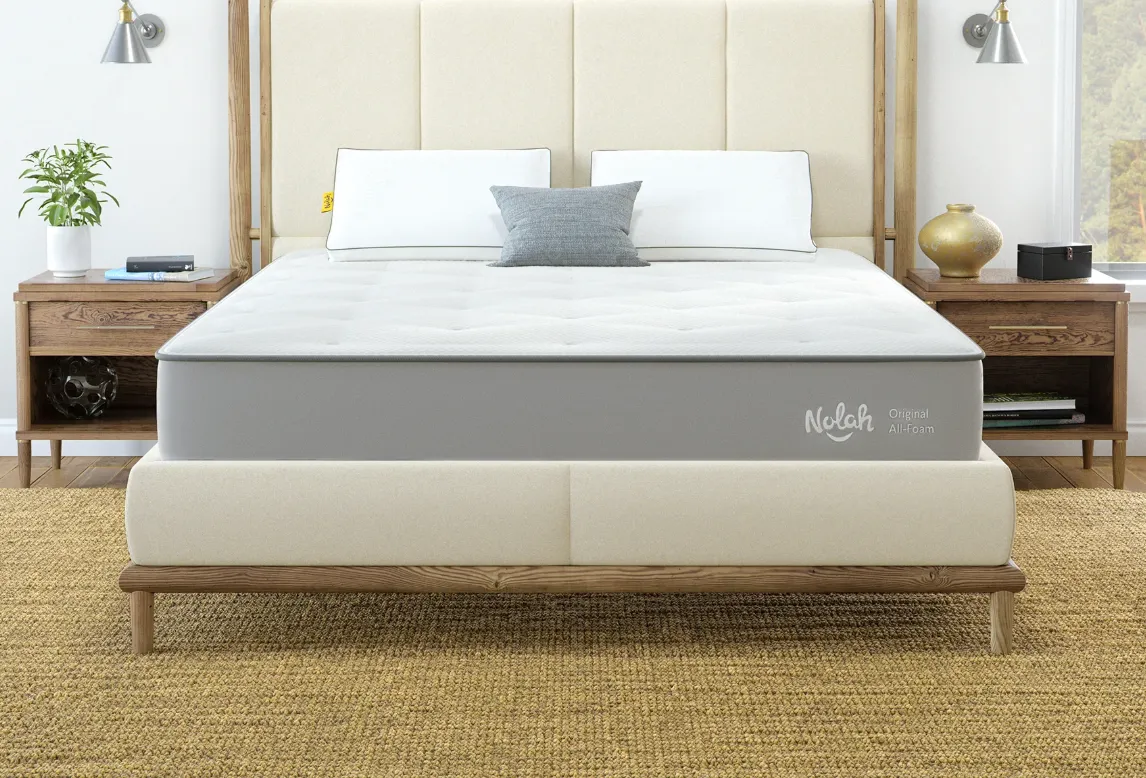
The Nolah Original is our Best for Side Sleepers pick because it cushions the body’s sharpest pressure points exactly where side sleepers need it. AirFoam, Nolah’s proprietary comfort foam, is designed to relieve pressure without the trapped-heat feel of traditional memory foam. If you sleep on your side and wake with sore shoulders or hips, this softer, cradling foam bed is one of the best memory foam mattress options to consider.

This is an all-foam construction that leans plush. The proprietary AirFoam comfort layer allows deeper contouring and sinkage at the shoulders and hips, letting them settle in so the spine can stay aligned in the side position. Beneath it, a supportive base foam keeps the softer surface from bottoming out. Motion isolation is reliable, quieting movement for couples. Temperature regulation is a strength of the AirFoam design, which resists the heat buildup common to plush foam. The deeper cradle makes this a natural fit for side sleepers and lighter-weight sleepers, who benefit most from its cushioning.

The Nolah Original ships free in a box, and your order includes a 365-night sleep trial along with a lifetime warranty against various manufacturing defects. For a plush, breathable foam bed, the value is excellent. This is a standout mattress for anyone whose shoulders and hips need a break.

The Bottom Line.

Plush AirFoam cushioning that cradles the shoulders and hips — the pick for side sleepers who want real pressure relief.

  • Side sleepers who need shoulder and hip cushioning.
  • Lightweight sleepers who want a softer surface.
  • Those who prefer a gentle cradle over firm support.

Not Recommended for:

  • Heavier back or stomach sleepers who need firmer support.
  • Those who dislike sinking in and want to sleep on top of the bed.

Best FirmPlank Firm

Best Firm – Plank Firm

Highlights

  • Flippable with two firmness levels (7,9)
  • 365-night sleep trial
  • Lifetime warranty
  • Ultra-supportive on both sides
  • Above-average edge support
25% off sitewide
Claim Discount

Best FirmPlank Firm

plankmattress.com

Shop Now

The Plank Firm is our Best Firm pick because it delivers a genuinely firm feel — something surprisingly rare in a foam bed — and gives you two firmness options in one mattress. Flip it to choose between firm and extra-firm surfaces. If you sleep hot or simply prefer sleeping on top of the bed, rather than in it, this supportive foam mattress is built for you. It best serves stomach sleepers and heavier individuals.

This all-foam bed is built around high-density firm foam that resists compression and keeps sinkage to a minimum. There’s no deep cradle here by design — the surface provides strong pushback to maintain flat, even alignment that heavier back and stomach sleepers often need to keep their hips from sagging. The flippable construction gives you a firm side and an even more robust extra-firm side, so you can tune the feel without buying a new bed. Motion isolation is present but modest, as very firm foam transfers a bit more movement than plush foam. Temperature regulation benefits from the minimal sinkage, which keeps more of the body near the cooler surface.

The Plank Firm qualifies for free ground shipping throughout the contiguous U.S. Each order comes with a 365-night trial, as well as a lifetime warranty for added peace of mind. For a firm bed with two surfaces built in, the value is genuinely rare. It’s the clear choice for anyone who finds most foam beds too soft.

The Bottom Line.

A genuinely firm foam bed with two firmness surfaces in one — the pick for stomach sleepers, heavier sleepers, and anyone who wants real support.

  • Back and stomach sleepers who need to keep the hips lifted.
  • Heavier sleepers who want stable, minimal-sinkage support.
  • Budget shoppers looking for a mattress with approachable pricing.

Not Recommended for:

  • Side sleepers who want extra shoulder and hip cushioning.
  • Couples looking for a bed that excels at motion isolation.

Best LuxuryNolah Signature

Best Luxury – Nolah Signature

Highlights

  • Medium (5)
  • 365-night sleep trial
  • Lifetime warranty
  • Premium all-foam construction
  • Strong motion isolation
35% off sitewide
Claim Discount

Best LuxuryNolah Signature

nolahmattress.com

Shop Now

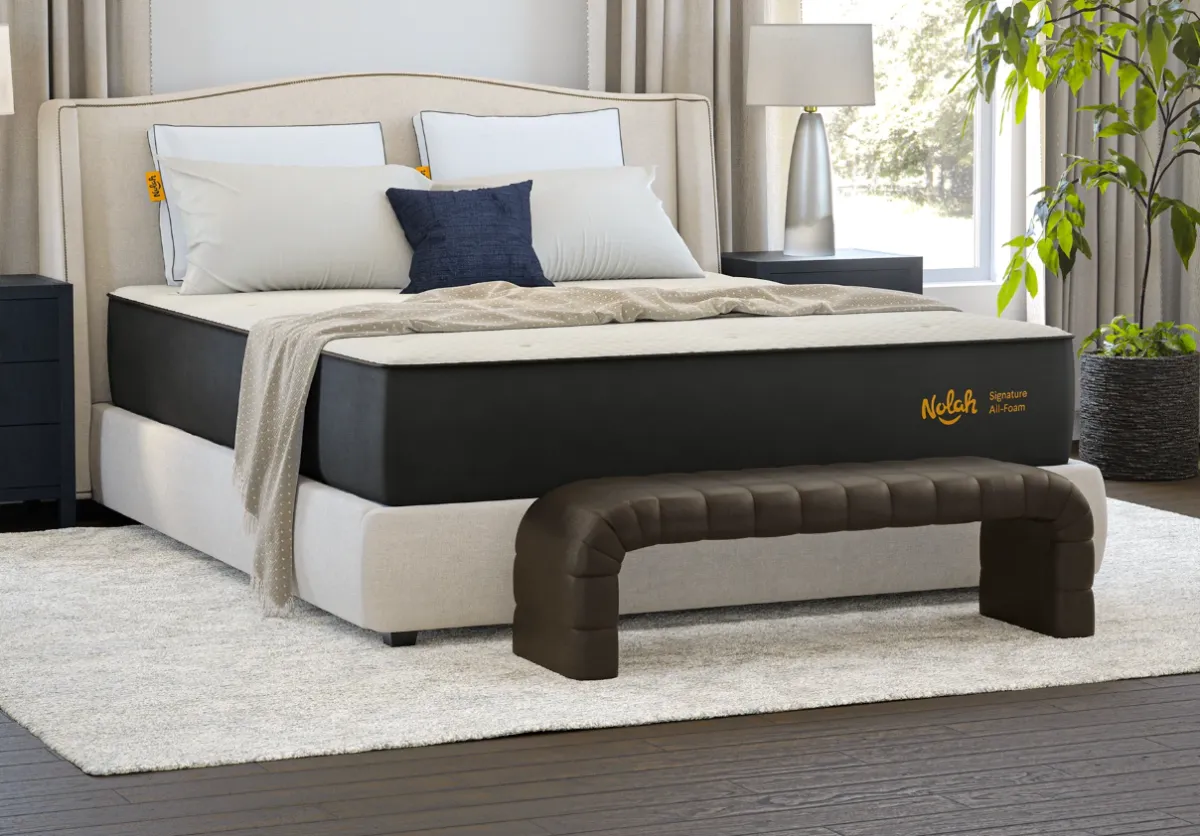
The Nolah Signature is our Best Luxury pick because it takes Nolah’s AirFoam formula and elevates it with premium materials and a more refined build. It reflects the brand’s ongoing commitment to expanding its lineup. If you want the contouring comfort of a memory foam mattress with the elevated feel of a premium bed, the Signature delivers. It best suits side and combination sleepers who appreciate high-end materials.

This is a premium all-foam construction. The contour is generous but controlled, and motion isolation is strong — the plush foams absorb movement thoroughly for couples. Temperature regulation is aided by the AirFoam design. One honest caveat from our testing: the all-foam Signature can feel too soft for back and stomach sleepers over 230 pounds, who tend to need firmer support than this plush build provides. Lighter and average-weight side and combination sleepers get the most from this design.

Nolah offers free ground shipping, and all Signature mattress orders include a 365-night sleep trial. Your purchase is also covered under a lifetime warranty. For an upgraded all-foam bed, the materials and comfort justify the investment. It’s a treat for luxury-minded sleepers who want foam done well.

The Bottom Line.

A premium all-foam bed with upgraded materials and a refined feel — the pick for luxury-minded buyers who love foam.

  • Luxury shoppers who want premium materials.
  • Side and combination sleepers who appreciate deep contouring and cushioning.
  • All-foam mattress owners looking to upgrade to a higher-end model.

Not recommended for...

  • Heavier back and stomach sleepers (over 230 lbs) who need firmer support.
  • Budget shoppers looking for the lowest price.

Best Pressure ReliefBrooklyn Bedding CopperFlex Pro Memory Foam

Best Pressure Relief – Brooklyn Bedding CopperFlex Pro Memory Foam

Highlights

  • Medium firm (6)
  • 365-night sleep trial
  • Lifetime warranty
  • Zoned transitional foam for targeted support
  • Excellent motion isolation
25% off sitewide
Claim Discount

Best Pressure ReliefBrooklyn Bedding CopperFlex Pro Memory Foam

brooklynbedding.com

Shop Now

The Brooklyn Bedding CopperFlex Pro is our Best Pressure Relief pick because it takes the standard CopperFlex formula and dials up the intensity. This is the upgraded model in the line, positioned above the value-focused standard CopperFlex. With higher-density foam and a more substantial build, it earns its place among the best memory foam mattress options for sleepers who want a deep, cushioning cradle with cooling built in. It best suits side sleepers and anyone battling stubborn pressure points.

This all-foam bed leads with a higher-density copper-infused comfort foam — the key difference from the standard CopperFlex. This allows a deeper, more thorough contour that relieves pressure at the shoulders and hips better than the standard model. The copper infusion still draws heat away for a cooler surface, so the deeper cradle doesn’t come at the cost of overheating. An upgraded support core underpins the whole build for stability. Motion isolation is strong, with the denser foams absorbing movement across the bed. The trade-off compared with the standard model is price — the Pro costs more, but it repays that premium with noticeably greater pressure-relief intensity.

The CopperFlex Pro ships free in a box. You’ll receive a 365-night trial and lifetime warranty with your purchase. For sleepers who prioritize pressure relief above all, the upgraded build justifies the step up in price. It’s the choice when the standard model doesn’t cradle deeply enough.

The Bottom Line.

The upgraded, higher-density copper-infused pick for sleepers who want maximum pressure relief with cooling built in.

  • Side sleepers with persistent pressure points.
  • Couples seeking a mattress with superior motion isolation.
  • People with joint pain who need extra cushioning and cradling.

Cons

  • Strict budget shoppers with limited spending — the standard CopperFlex costs less.
  • Back and stomach sleepers who prefer a firmer, more responsive mattress.

Memory Foam Mattress Buyer's Guide

Below, we share everything sleepers need to consider when buying a memory foam mattress, along with our best tips for buying a new mattress.

What You Need to Know about Sleeping on a Memory Foam Mattress

Initially developed by NASA researchers in the 1970s, memory foam is one of the most popular comfort layer materials on the market today. In addition to mattresses, memory foam is also commonly found in pillows and mattress toppers.

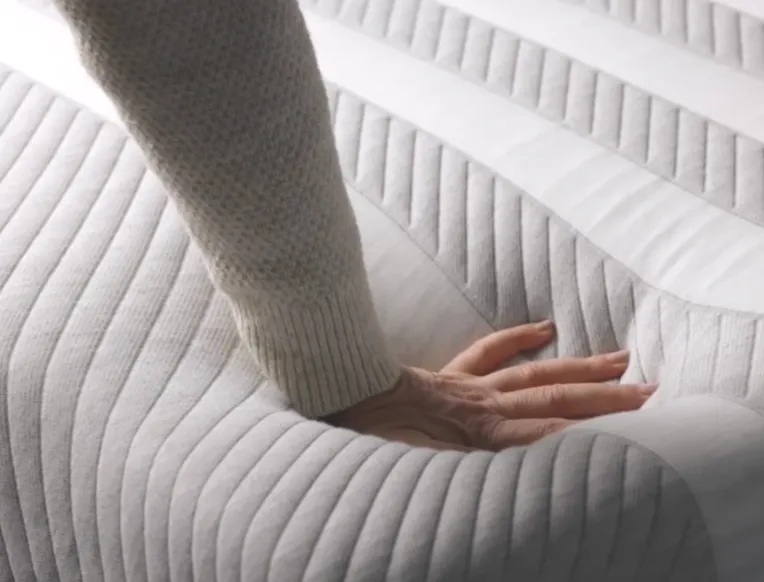
An important characteristic of memory foam is that it is viscoelastic, meaning that it changes shape when pressure is applied, and then returns to its original form once the pressure is released. Memory foam is also designed to respond to temperature. When you are lying on memory foam, your body heat causes the foam to become softer, which allows the material to conform to your figure. After you get up, the memory foam will cool down and return to its original, firmer shape.

Because the material is so soft, a ‘memory foam mattress’ is not entirely made of memory foam. Rather, the comfort layer (usually 25% to 40% of the mattress) is made of memory foam, while the larger support core is constructed from a sturdier material — usually high-density polyfoam — to prevent you from completely sinking into the mattress.

The Feel of Memory Foam

The popularity of memory foam is largely due to its ‘customized’ feel. Let’s explore some key qualities of memory foam mattresses:

  • Conforming: Memory foam will conform closely to a sleeper’s body. This creates a contoured impression in the sleep surface that provides even body support and helps maintain spinal alignment. As a result, memory foam sleepers often experience high levels of pain and pressure relief.
  • Sinking: Memory foam tends to be softer than other mattress materials. This may be ideal for people who are average weight or lighter than average, but those who weigh more than 230 pounds may experience excessive sinking. This can undermine support and lead to added aches and pains.
  • Motion isolation: As memory foam conforms to a sleeper’s body, it absorbs motion transfer whenever he or she shifts positions in bed. This helps minimize disruptions in other areas of the mattress, and can be beneficial for couples who share a bed — particularly if they are restless sleepers.
  • No noise: Most memory foam mattresses are virtually silent when bearing weight.

Who Sleeps Best on a Memory Foam Mattress?

Memory foam mattresses are ideal for certain types of sleepers, especially side sleepers, those with chronic pain, and couples.

  • Side sleepers benefit from an exceptionally soft comfort layer because it allows their hips and shoulders to sink into the mattress properly. Side sleeping on a mattress that is too firm can lead to aches and pains caused by spinal misalignment.
  • Memory foam can also help sleepers with chronic back or shoulder pain. The material is designed to conform to your figure and alleviate pressure points, leading to a comfortable, relatively painless night’s sleep.
  • Couples also appreciate memory foam mattresses for their low motion transfer. Memory foam is engineered to absorb and isolate motion, making it ideal for light sleepers who easily awaken when their partner moves or shifts positions.

Pros and Cons of Memory Foam

  • The material conforms closely to align the sleeper’s spine and evenly distributes their weight
  • Memory foam sleepers report above-average pain and pressure relief
  • Foam isolates and absorbs motion transfer to help couples reduce nighttime disruptions
  • Memory foam mattresses produce little to no noise
  • The mattresses are usually compressed for shipping, allowing customers to order them online without a truck

Cons

  • Memory foam tends to retain a fair amount of body heat from sleepers, causing the mattress to sleep excessively warm for some
  • Some sleepers — particularly heavier individuals — report uncomfortable sinking and inadequate mattress support
  • Memory foam mattresses are not very bouncy, and some couples say they are not responsive enough for sex
  • Off-gassing potential is high for memory foam beds, and some mattresses emit odors for weeks after they are removed from their packaging.

Choosing the Best Memory Foam Mattress

There are a lot of quality memory foam mattresses on the market today. To find the foam mattress that’s uniquely right for you, you’ll have a few questions to answer. What firmness setting do you prefer? How enveloped do you want to feel by your mattress? Do you tend to sleep hot or cool?

To answer these questions, you need to know the density and ILD ratings of the foams used in your mattress. Let’s start by understanding what these terms mean.

Density and ILD

Two important considerations regarding memory foam mattresses are density and indentation load-deflection (ILD).

Density is measured in pounds per cubic foot, and is used to indicate how well the mattress will support your body weight. Most memory foam comfort layers range in density from 2.5 pounds per cubic foot to 8 pounds per cubic foot (abbreviated as PCF). A common industry benchmark for a high-quality memory foam mattress is a density of 4-5 pounds per cubic foot.

Density is used to categorize memory foam into three grades: low, medium and high. The table below features a detailed breakdown of memory foam density.

Grade Density (pounds per cubic foot) Characteristics
Low 2.5 to 3.9 lbs/ft3 Retains original shape very quickly; offers good motion isolation and some contouring
Medium 4.0 to 5.9 lbs/ft3 Retains original shape somewhat slowly; offers very good motion isolation and good contouring
High 5.5 lbs/ft3 and higher Retains shape very slowly; offers excellent motion isolation and contouring

You may have noticed a trend in the table above. The higher the density, the slower the foam recovers its original shape. Thanks to this quality, higher-density foams excel at providing support and conform to the body very closely. However, this also means they have a higher tendency to trap heat, which can be an issue for hot sleepers.

Lower-density foams, on the other hand, recover their shape quickly and are less likely to retain heat. Because they’re so responsive, however, lower-density foams don’t isolate motion as well as higher-density foams. They are also less durable than high-density foams and provide less support.

Generally, memory foam mattresses contain a mix of both foams, as they each have their pros and cons.

How do you use this knowledge to your advantage? Think about what’s most important to you as a mattress shopper. If staying cool is of paramount importance, you may prefer a mattress with medium- or low-density foams. If you are most concerned with support and durability, you’ll want to look for a mattress with a higher ratio of high-density foams. A mattress made of more high-density foams also tends to isolate motion better, so couples may prefer these mattresses.

Selecting Your Firmness Level

While density measures the supportiveness of memory foam, ILD is used to gauge the firmness of a mattress. ILD (indentation load-deflection) indicates how much pressure is required to make a four-inch indentation on the top surface of a mattress. The higher the ILD number, the firmer the mattress. Some mattresses carry an ILD range, rather than a single number, because the firmness may be influenced by other factors, such as room temperature.

Most memory foam mattresses on the market have a comfort layer with an ILD number that falls between 8 and 20; as a general rule, you’ll want to look for memory foam mattresses with an ILD of at least 10 to ensure adequate support. The table below explores ILD numbers in-depth.

ILD Rating Category Characteristics
8-10 Extremely Soft Most sleepers experience significant sinking
11-15 Very Soft Most sleepers find this to be the ideal softness/firmness level for a memory foam mattress
16-21 Soft Minimal sinking, and less contouring than mattresses with lower ILD ratings

In addition to the ILD range for the bed, a mattress manufacturer may share the ILD ratings for the individual memory foam comfort layers. Exceptionally soft memory foam will conform to your body more easily, but may also create a ‘sinking’ feeling that some sleepers find uncomfortable. On the other hand, ultra-firm memory foam provides a more stable sleep surface but is not as effective at alleviating pressure points.

Finally, a mattress will have a firmness rating that’s separate from these ILD ratings. Firmness descriptions vary from Soft to Very Firm, and typically correlate with a 1-to-10 scale. When selecting your mattress firmness level, your goal is to find whichever firmness setting supports good spinal alignment while you sleep. To do this, you’ll want to keep your body weight and sleep position in mind.

  • Lightweight sleepers require a softer mattress than heavier sleepers, in order to enjoy sufficient contouring and pressure point relief.
  • Heavier sleepers, on the other hand, require a firmer mattress to prevent their body from sinking too deeply into the mattress.
  • Average weight sleepers, unsurprisingly, typically sleep best on a middle-of-the-road mattress firmness rating.

Your sleep position is the next thing to consider after body weight. Side sleepers often find softer mattresses to be more comfortable, as these allow their pressure points (like the hips and shoulders) to sink deeper into the mattress surface and keep their spine aligned. Stomach sleepers need a firmer mattress, in order to avoid the pelvis from sinking out of alignment with the rest of the spine. Back sleepers also tend to be more comfortable on firmer mattresses.

Weight Group Below-average (less than 130 lbs.) Average (130 to 230 lbs.) Above-average (more than 230 lbs.)
Ideal Firmness for Side Sleeping 3 (Soft) to 4.5 (Medium Soft) 5 (Medium) to 6.5 (Medium Firm) 6.5 (Medium Firm) to 8 (Firm)
Ideal Firmness for Back Sleeping 4 (Medium Soft) to 5.5 (Medium) 5 (Medium) to 6.5 (Medium Firm) 6 (Medium Firm) to 8 (Firm)
Ideal Firmness for Stomach Sleeping 3 (Soft) to 4.5 (Medium Soft) 4 (Medium Soft) to 5.5 (Medium) 6 (Medium Firm) to 7.5 (Firm)

Types of Memory Foam Mattresses

The name “memory foam mattress” is a bit of a misnomer. Because memory foam is so soft, mattresses are never made entirely from memory foam. If they were, the mattress wouldn’t be able to provide support! Typically, memory foam mattresses are constructed with at least one layer of memory foam in the comfort system; the support core is almost always made of high-density polyfoam.

Today’s memory foam models feature several varieties of memory foam. Some of the most popular materials include:

  • Traditional (or viscoelastic) memory foam is the most widely available variety of the material. It is polyurethane-based, and categorized as a type of polyfoam. This material softens when it comes into contact with body heat, and then retains its original shape once it cools.
  • Plant-based memory foam is manufactured using a combination of petrochemicals and botanical ingredients. Plant-based foam layers are designed in an open-cell configuration, making them more breathable and cooler for sleeping than standard memory foams.
  • Gel-infused memory foam is a relatively new material, and is not as widely available as other memory foam types. The addition of cooling gel helps reduce heat and keep you sleeping comfortably. The shape retention of gel-infused memory foam is comparable to traditional memory foam. Of our top picks, Nectar Mattress, Loom & Leaf, and the Plank Mattress all feature comfort layers of gel-infused memory foam.
  • Copper-infused memory foam, another relatively new version of the material, features beads lined with thin copper wire placed throughout the foam. Like gel, the copper components will help you sleep cooler throughout the night. This material is also designed to help sleepers with joint pain and stiffness, since copper is known to aid with blood circulation.

Other Considerations for Sleepers Interested in a Memory Foam Mattress

In addition to the density, ILD number and mattress construction, there are several other factors to consider when shopping for the right memory foam mattress.

  • Do You Tend to Sleep Hot?

    Due to the contouring effects of memory foam, many people find that these mattresses sleep warm to the point of discomfort. Cooling components (like the gel and copper-infused foams mentioned above) are designed to reduce this effect. The Nectar, the Loom & Leaf, and the Plank Mattress all incorporate gel-infused foams in their comfort layers, but the Plank takes it a step further with its optional temperature-regulating PCM cover (available for an additional price).

    Also, pay attention to the thickness of the mattress cover, as well as the material used to make it. Covers that are thicker or constructed from less breathable materials may cause you to sleep hot, and also may affect the responsiveness of the memory layer.

  • What Is Your Body Weight?

    Memory foam mattresses offer varying amounts of thickness in their comfort layers. A thicker top layer may provide added support for certain sleepers, such as heavier people who feel they need extra cushioning and support.

  • What Is Your Sleep Position?

    Depending on your sleep position, you may want more or less cushion from your comfort layers. Side sleepers can benefit from several inches of memory foam, in order to allow maximum pressure relief. Stomach sleepers may find thinner comfort layers preferable, as these don’t provide too much sinkage. Back sleepers need varying extents of cushioning in different areas of their body. Mattresses featuring zoned polyfoams in the transitional layers, like The Casper and MemoryLux mattresses, can be especially comfortable for these sleepers.

  • Do You Have Chronic Pain?

    Memory foam provides some of the best relief for sleepers with chronic pain. However, it’s important to pick a mattress that can reliably provide this relief for some time, without sagging. Lower-quality foams break down faster, so look for mattresses made from higher-density foams. From our picks, the Nectar, Leesa, and Loom & Leaf mattresses all rate well among sleepers with chronic pain.

Memory Foam Mattress FAQ

  • How Long Do Memory Foam Mattresses Last?

    The lifespan of a memory foam mattress will depend largely on the foam’s density grade. Low-density memory foam will retain its shape quickly, but the material degrades at a faster rate and has the lowest amount of motion isolation. High-density memory foam, on the other hand, offers superior body-conforming and low motion transfer — although this material is slower to retain its shape after each sleep. Medium-density memory foam provides a compromise between low- and high-density foam in terms of cost, shape retention, motion isolation and other key factors.

    Most memory foam mattresses are designed to last for at least five years of regular use. In order to maximize the lifespan of your memory foam mattress, you’ll need to look carefully at the material composition of the mattress — in particular, the ratio of memory foam to cheaper types of polyfoam in the comfort layer and the support core. Also take time to inspect other aspects of the mattress, such as the type of stitching found on the cover and seams.

  • What’s the Difference Between Polyfoam and Memory Foam?

    Though memory foam is technically considered a type of polyfoam, they’re talked about as different things in the mattress world.

    Polyfoam, technically called polyurethane foam, is an umbrella term that refers to any foam that is synthesized using polyol and diisocyanate. This includes all non-latex foams found in mattresses, including memory foam. That being said, polyfoam is generally used to refer to any of these foams except for memory foam. Lower-density polyfoam is often used in the comfort layers of a mattress, whereas higher-density foam is used in the support core.

    Memory foam, called visco-elastic foam, is a high-density polyfoam with additional chemicals added to give it its low resilience. Memory foam responds to pressure a lot slower than other polyfoams, taking a longer time to retain its shape after being compressed.

    Memory foam tends to conform closer than polyfoam, whereas polyfoam is a bit more responsive and bouncy. Consequently, memory foam offers better pressure relief and polyfoam offers better temperature neutrality and ease of movement.

  • How Can You Make a Memory Foam Mattress Sleep Cooler?

    One of the biggest downfalls of memory foam is that it traps a lot of body heat. This leads to a sweaty and uncomfortable night for those who run on the hotter side. Luckily, there’re a couple ways to partially mitigate this.

    The first step is to make sure everything else your body is coming into contact with is cool and breathable. This includes your sheets, comforter, pillows, pillowcases, and sleepwear. How breathable these things are mostly depends on the material they’re made of. Linen and bamboo viscose tend to be the coolest materials, whereas cotton is somewhat breathable.  If you’re a hot sleeper, avoid materials such as polyester and flannel, which tend to trap heat.

    If this doesn’t cut it, you may consider purchasing a mattress pad or topper of another material and placing it on top of your memory foam mattress. Mattress pads made of the above-mentioned materials should be fairly effective in cooling down your mattress. Additionally, a latex mattress topper will provide a cooler experience, but it will significantly change the feel of the mattress.

  • What’s Covered Under the Mattress Warranty?

    Any memory foam mattress of quality will come with a robust warranty. Although the warranty length is key, you should also understand what the warranty covers. For example, the best memory foam mattress warranties should cover sagging, one of the most common issues associated with memory foam. The warranty should also discuss in clear terms how the manufacturer handles warranty claims, turnaround time, shipping costs and mattress replacement. For more information about warranties, please visit our guide to Understanding Mattress Warranties.

  • Is There a Sleep Trial?

    Because there’s nothing quite like trying your mattress at home, most mattresses come with a sleep trial. Sleep trials for mattresses bought in-store typically run about 30 nights, while online mattresses offer significantly longer sleep trials, usually 100 nights or more. All of the best memory foam mattresses we’ve reviewed here offer sleep trials of at least 100 nights, although the Nectar stands out for offering an extensive 365 nights.

  • How Much Does a Memory Foam Mattress Cost?

    Memory foam mattresses will vary considerably when it comes to price point. Some models cost as little as $300 to $400, while high-end and luxury memory foam mattresses will cost upwards of $3,000. Foam density is one factor that affects price; low-density foam will be the cheapest, while high-density foam is usually the most expensive. Plant-based memory foam, as well as gel- and copper-infused foam, will typically cost more than standard viscoelastic memory foam mattresses.

    According to our findings, the average Queen-size memory foam mattress costs $1,044.

Match Your Pillows & Bedding

Often, when people purchase a new mattress, it’s common for their old pillows to no longer provide the support they need. Pillows work in tandem with your mattress to provide a comfortable night’s sleep, ensuring proper spinal alignment all the way through the neck and head.

How to Buy a Pillow for Your Memory Foam Mattress

The traditional advice for pillows is simple: you should buy your pillow based on your sleep position. Side sleepers need pillows with the highest lofts. Ideally, the loft matches the distance between the tip of the shoulder and the nape of the neck. Back sleepers find mid- or high-loft pillows most comfortable, while stomach sleepers sleep best with low-loft pillows, or no pillow at all.

When buying a pillow for your memory foam mattress, remember that you’ll sink more than you may have with your former mattress (this is especially true if this is your first memory foam mattress). So, you’ll need to adjust the traditional pillow buying advice accordingly. Typically, this simply means that you’ll need a slightly lower loft than before. Stomach sleepers, for example, may be able to go without a pillow at all, since the mattress surface itself is so conforming.

Do You Need a Mattress Topper?

Your comfort preferences may change. If this happens before your mattress reaches its lifespan, you’ll be happy to hear you can easily adjust the firmness using a mattress topper. Mattress toppers can soften the surface of a firmer mattress, or increase the support of an older mattress. They can also be a good option for couples with different comfort needs. Learn more in our Guide to Mattress Toppers.

Finally, although memory foam is a very popular mattress choice, this material may not be the best option for you. Be sure to check out the following guides on Tuck.com:

Table of Contents